The Otari MTR-10 in Mastering: Tape, Provenance, and the Music That Yearns for It
Not every piece of gear has a story. This one does.
My Otari MTR-10 came from the Germano era of The Hit Factory in New York City, specifically the facility at 353 West 48th Street. I bought it from the son of Ed Germano. It had been sitting in a storage facility for over a decade, decommissioned and forgotten. Otari confirmed the machine was delivered to The Hit Factory. What it was used for during those years is less certain, but the rumor, and it is a rumor, is that it was used for editing on Double Fantasy by John Lennon and Yoko Ono, Fear of Music by Talking Heads, and Born in the USA by Bruce Springsteen.
I cannot confirm that. But Otari can confirm where it went, and that's enough to make you handle it with a certain amount of reverence.
The Condition and the Modifications
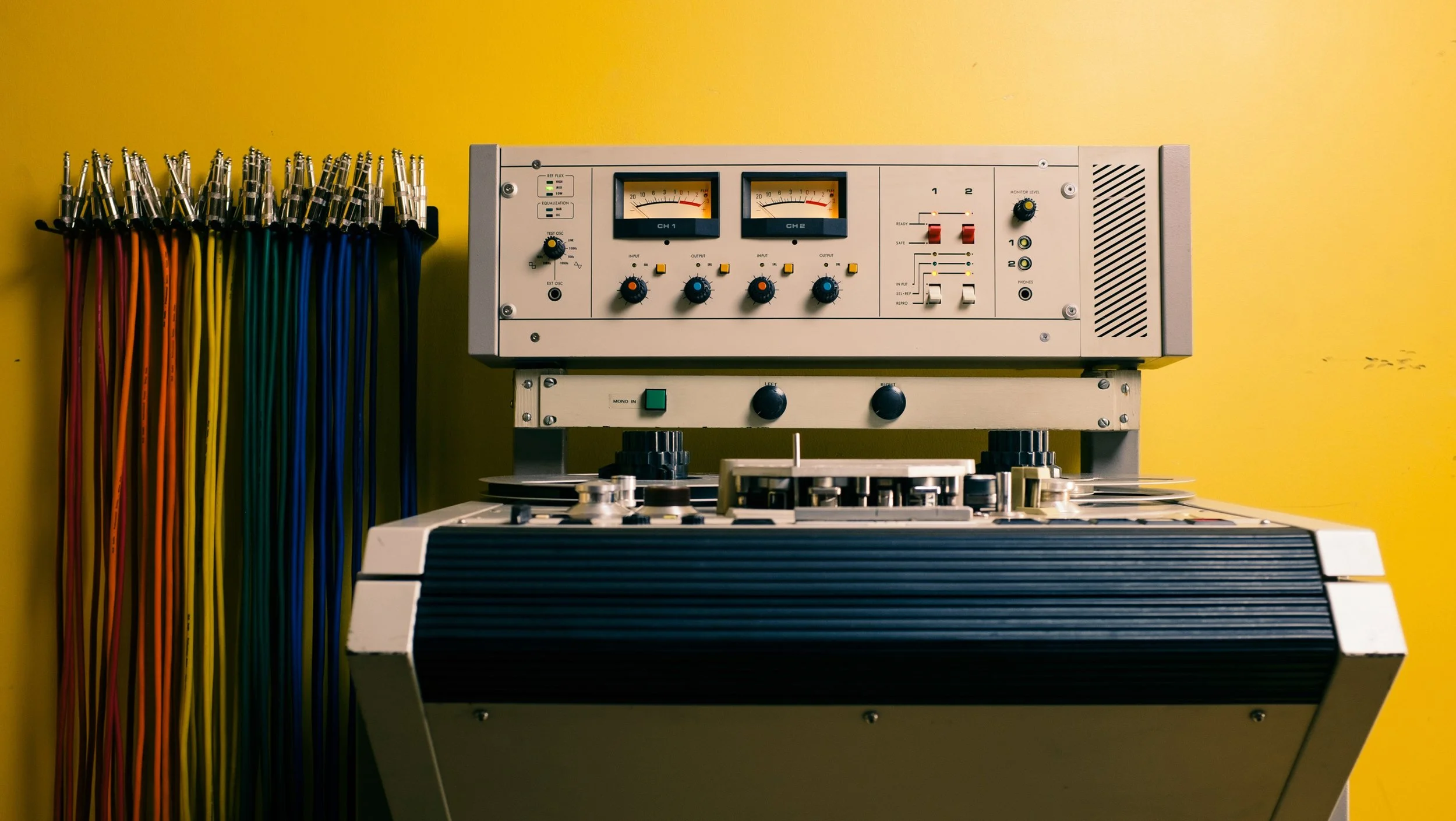
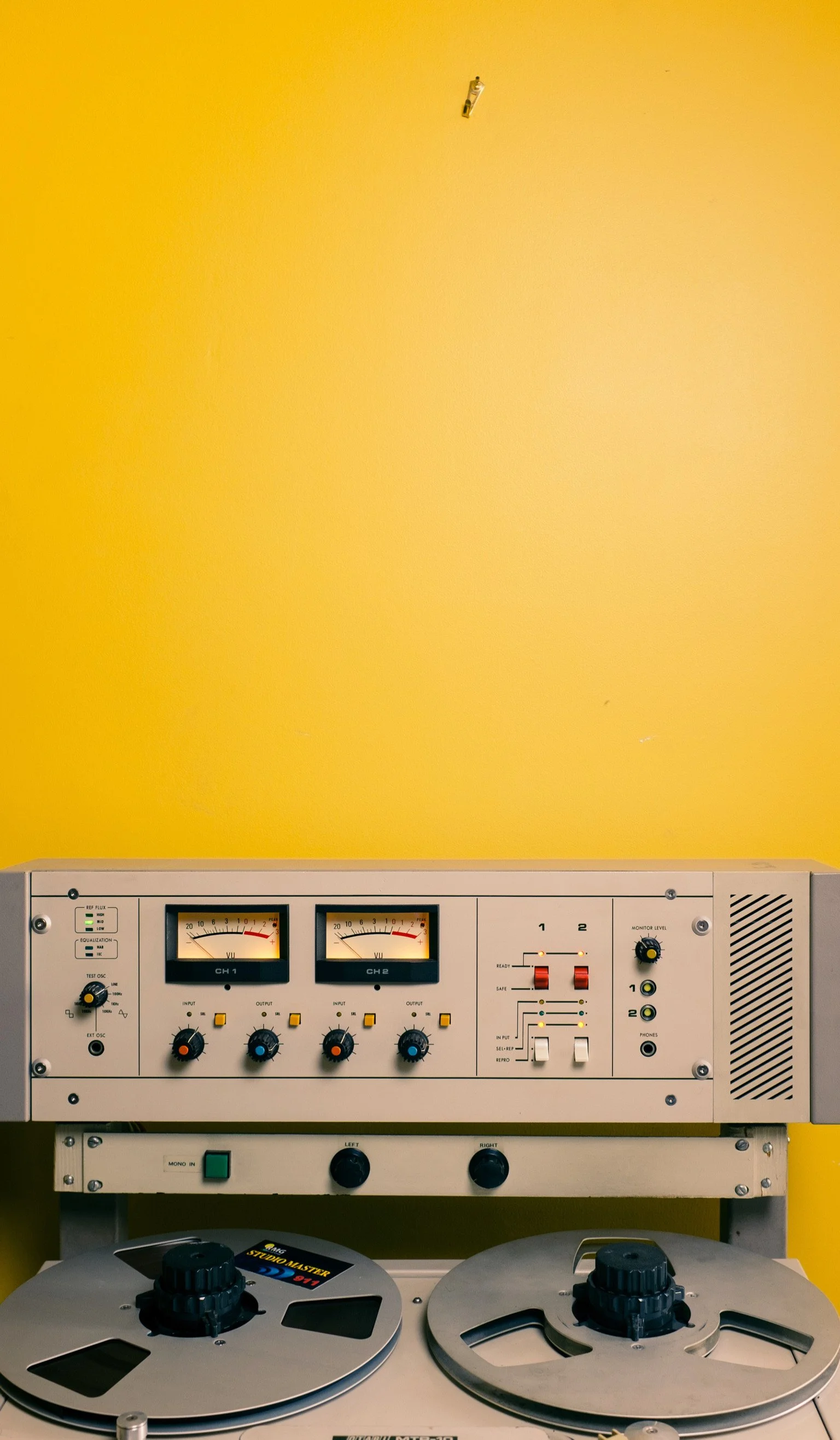
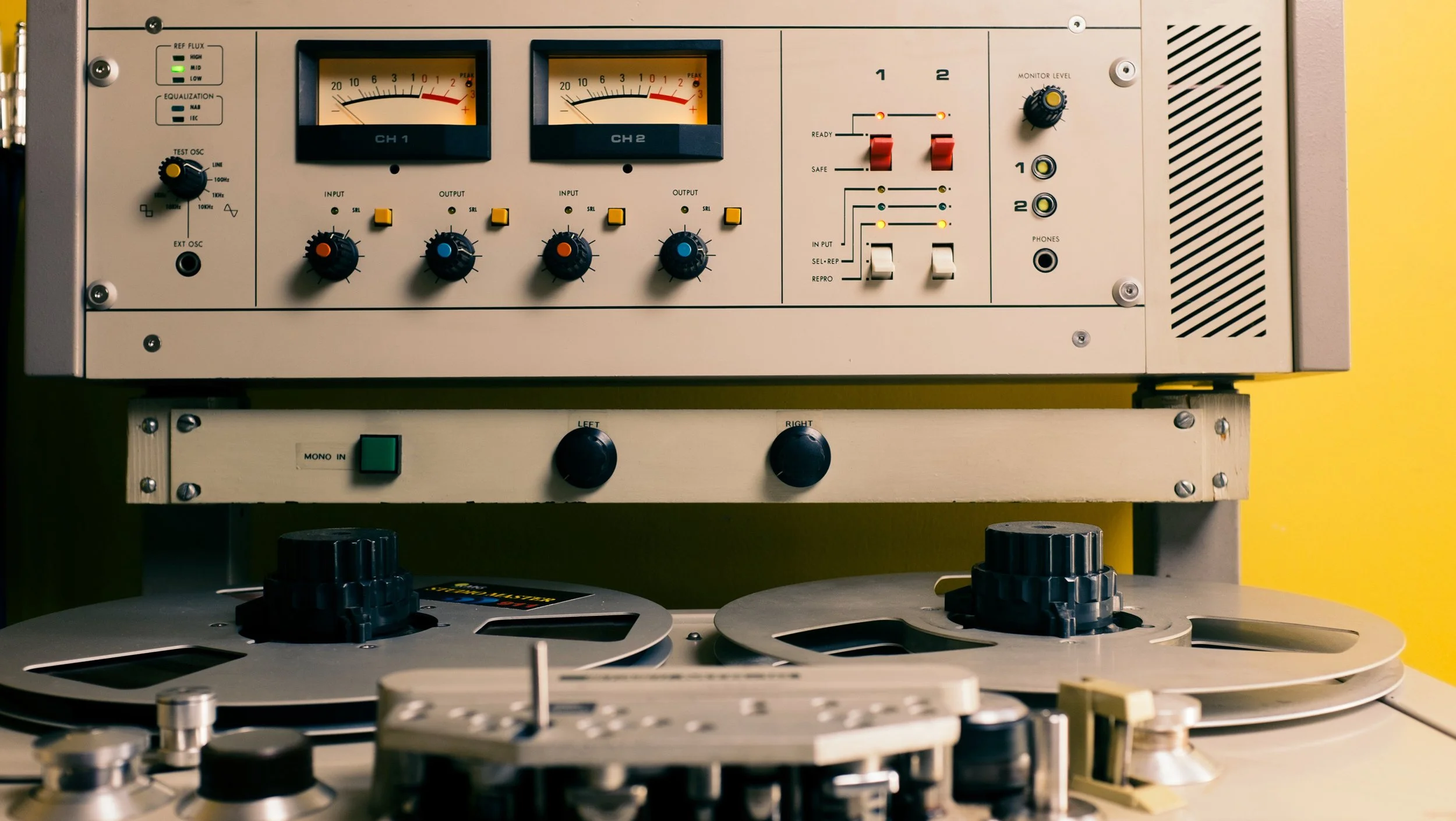
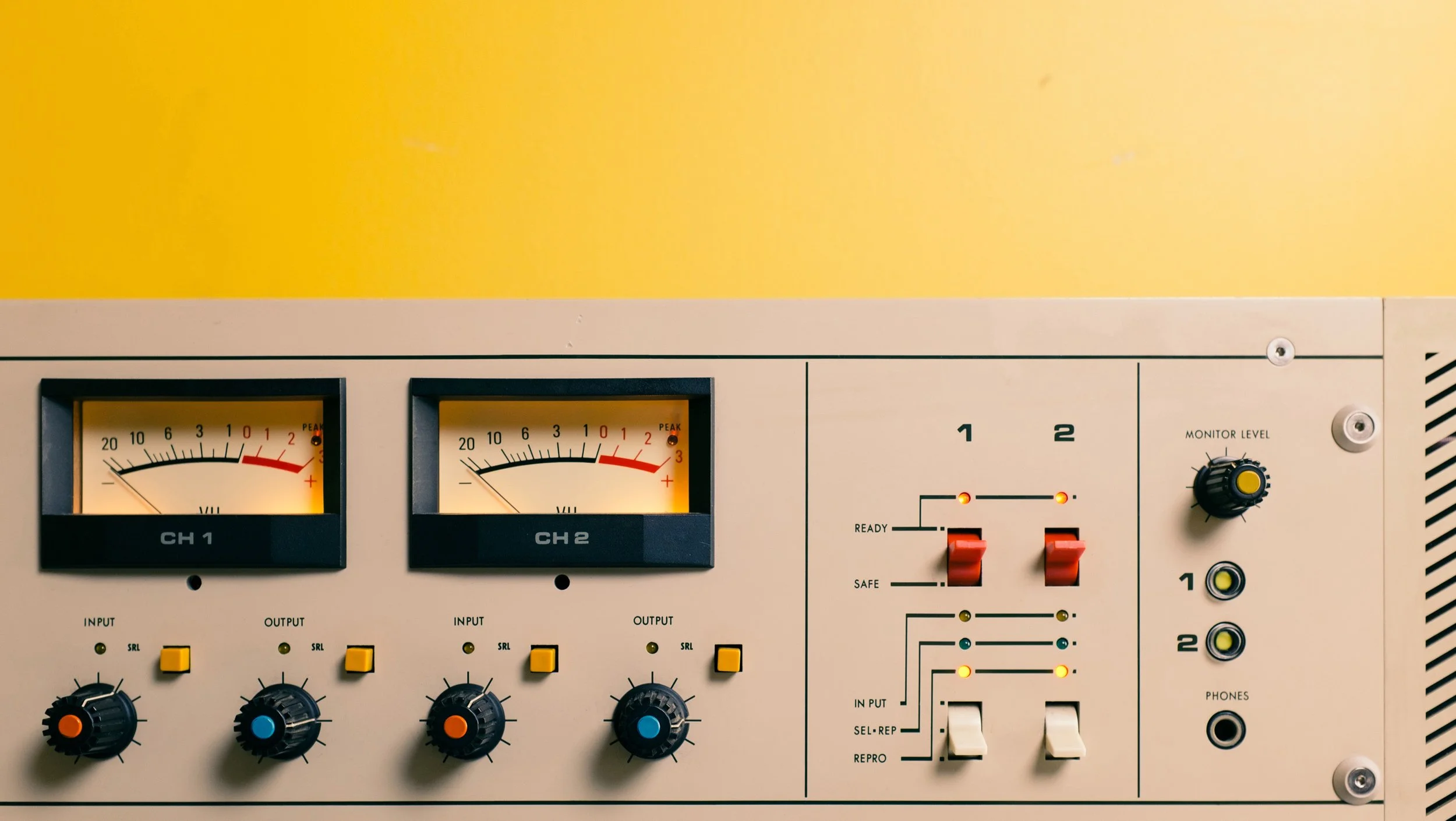
When I got it, I expected the worst. A decade in storage is not kind to precision electronics. But whoever maintained it at The Hit Factory kept it up well. It was decommissioned carefully, not abandoned. It needed a decent amount of cleaning but not the full restoration I'd braced for. Every audio card got a full isopropyl alcohol spa treatment, contact cleaner on every pot, switch, and connector. I vacuumed out years of accumulated dust, demagnetized the heads, and replaced a dead VU meter. Even the tape lifters got new covers, so they were smooth. The power supply got a full recap. The capacitors in that supply are some of the largest I've ever pulled out of a piece of audio gear, which tells you something about how seriously Otari engineered the power delivery on this machine.
What I didn't expect were the modifications.
On the VU bridge there's a mono button with potentiometers I've never seen on another MTR-10. On the back there's a switch that cues the counter every time you hit record. These aren't factory features. Someone, a producer, an engineer, someone with a specific and unusual requirement, had this machine modified for a purpose that has been lost to time. I've never used them. They work, as far as I can tell, but what they were originally used for is unknown. If you know, please call me.
That mystery is part of the machine now. It lives in the room with everything else it carries.
The Machine: By the Numbers
The MTR-10 is a ¼" two-channel, two-track production tape recorder. It is microprocessor controlled, with an 8080A CPU and four EPROMs governing transport behavior, at a time when that was genuinely advanced engineering.
Here are the specs that matter for mastering use, pulled directly from the manual:
Tape speeds are 30, 15, and 7.5 ips. Speed deviation is ±0.03% maximum, which is tight enough that speed consistency is simply not a variable you think about. Wow and flutter measured per DIN 45507. Start time at 30 ips is under 400 milliseconds. The machine is ready before you are.
Frequency response at 15 ips is 18Hz to 27kHz at +0.5/–2dB record/reproduce. At 30 ips that extends to 42Hz to 29kHz at the same tolerance. That range covers everything in the audible spectrum with headroom to spare. The bias frequency is 250 kHz, well above the audible range, keeping bias artifacts out of the picture entirely.
Signal-to-noise ratio at 30 ips is 75dB unweighted, 79dB weighted. At 15 ips, 73dB unweighted, 74dB weighted. Distortion at 1kHz is less than 0.15% third harmonic. Depth of erasure is greater than 80dB at 1kHz. Crosstalk between channels is better than 40dB across 63Hz to 12kHz.
Line input is active balanced at 20kΩ impedance, +4 dBm nominal. Line output is active balanced with less than 5Ω source impedance and +28 dBm maximum output into 200Ω or greater. The output stage is direct coupled, which matters for low frequency integrity.
Calibration levels are switchable: NAB 185 nWb/m, 250 nWb/m, or IEC 320 nWb/m. I run at 250 nWb/m. Equalization is AES at 30 ips and switchable NAB or IEC (CCIR) at 15, 7.5, and 3.75 ips. The heads are plug-in blocks with independent azimuth adjustment per channel, which means alignment is precise and serviceable without heroic effort.
These are not the specs of a consumer machine that happened to end up in a professional facility. This is purpose-built professional hardware, engineered to a standard that most modern digital equipment measures itself against.
How Tape Fits Into Mastering
Tape is not a regular part of my chain. It's not something I reach for on every session or even most sessions. The music has to yearn for it.
That's not a vague or romantic notion. It's a practical one. Tape does specific things that are genuinely useful in specific situations, and using it when those things aren't needed is just adding a process for its own sake. That's not how I work.
The two situations I come back to most often: glue and digititis.
Glue is the easier one to explain. Tape has a way of making elements of a mix relate to each other in a way that's hard to replicate electronically. There's a subtle compression, a harmonic rounding, a way that transients soften just enough to feel like the music is coming from one place rather than many. When a mix is close but not quite cohesive, tape sometimes closes the gap.
Digititis is the other one. It's a real phenomenon, that particular brittleness or edge that certain digital recordings carry, especially ones that were tracked and mixed entirely in the box with no analog in the chain. It's not always there, and it's not always a problem, but when it is, tape addresses it in a way that EQ and processing can't fully replicate. The process, running the mix through tape and back in repro, is called a tape layback. It finishes things up in a way that sounds less like processing and more like the recording always sounded that way.
Speed and Stock
I calibrate for RTM 911 at 15 ips as my baseline. The 911 is a standard bias, back-coated studio and archive tape built on the original BASF formula, manufactured in France by RTM. It handles operating levels up to +6dB, has an excellent signal-to-noise ratio, and delivers uniform frequency response through the highest frequencies. Those aren't exciting qualities to describe but they are exactly what you want in a mastering context. When I want more detail and a brighter top end I move to 30 ips with ATR Master Tape. Faster speed means less high frequency loss and a different compression character, tighter and more extended. Once in a while, for something that genuinely calls for it, I'll drop to 7.5 ips. That speed introduces enough coloration to get close to a four-track aesthetic, more saturation, more compression, more of everything tape does pushed further. It's not subtle and it's not for everyone, but when the song calls for it, nothing else gets there.
When It Works, It Works
Tape mastering isn't something I push on clients. It's an option, and it's one I'm genuinely passionate about, but it has to be the right choice for the right record. Some clients request it specifically. Others hear it in a preview and ask what happened. Most of the time they just know the master sounds different in a way they can't quite name.
That's tape. It doesn't announce itself. It just makes certain records sound more like records.
The MTR-10 from The Hit Factory sits in my room and does what it always did. Whatever sessions it ran in its previous life, whatever edits it made on whatever records, it still works. It still sounds like itself.
Some gear has a story. This one has several, and most of them I'll never know.
And it still smells like a recording studio from 1980. That's not nothing.