
Mastering Articles
This is where I write about mastering. The gear, the technique, the decisions behind the work. Some of it is practical. Some of it is what I needed to get down.
What Does a Mastering Engineer Actually Do?
I hear your mix for the first time, in a room built to tell the truth, and I wasn't there for the three-hour debate about the hi-hat. That's the job, and it's how a one-time hire becomes the person you call first.

What Is Mastering?
A Grammy-nominated mastering engineer breaks down what mastering actually is: quality control, fine-tuning, and deliverable assembly.

How to Give Feedback on a Master
Most revision requests fall into two categories: specific and actionable, or the kind that sends both of us in circles for a round or two. Giving feedback on a master is a skill, and nobody teaches it.

The Long-Term Mastering Relationship for Producers and Studios
The first record we make together is the most work. By the third, I know the difference between your choices and your habits, and the sessions get easier for both of us.

Mix Preparation and File Delivery for Mastering
What you send and how you send it sets the ceiling for what mastering can do. Format, headroom, plugins, communication: cover these before you deliver and the session starts from the strongest possible place.

From Single to Album: What to Expect at Mastering
Building an album from previously released singles comes with real decisions: remaster or match, pre-masters or finished files, cohesive record or accidental playlist. Here's how to think through it.
Loudness, Dynamics, and Translation in Mastering
If everything is loud all the time, nothing feels loud. Loudness is a tool. Dynamics are the material you are working with. Translation is how you find out whether your decisions survived contact with the real world.

Mastering Loudness Targets for Streaming: Spotify, Tidal, Apple Music, and Bandcamp
Streaming platforms normalize loudness, and the numbers are worth knowing. They are also not mastering targets. Here is what happens to your master after it leaves the room, platform by platform, and why the music should still be driving.
dBTP vs dBFS Explained: True Peak and Inter-Sample Peaks
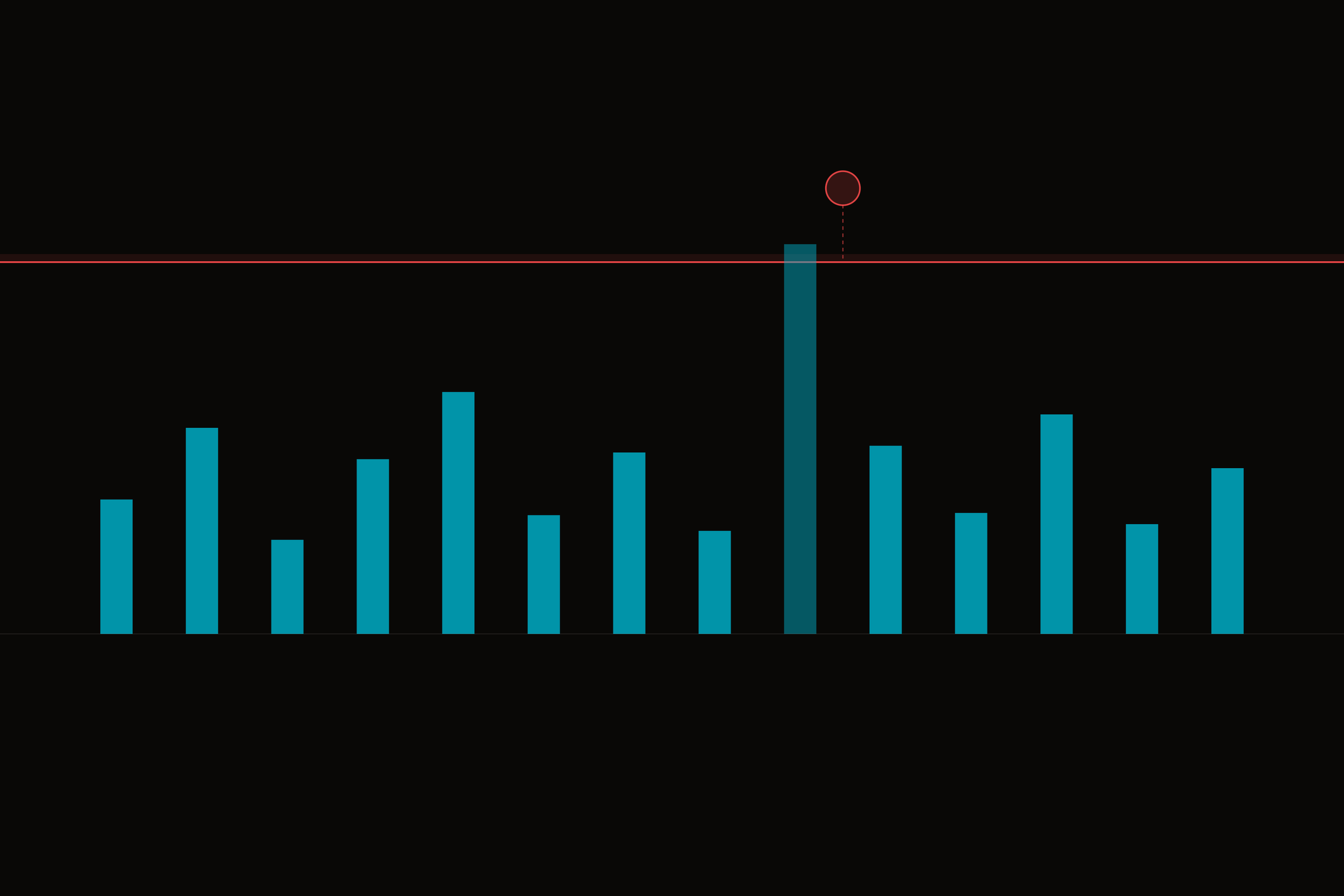
Your mix looks clean, every sample sits below 0 dBFS, and the meters are happy. Then it hits Tidal and something sounds distorted. The trouble is between your samples, and it has a name: dBTP.

What Is a Vinyl Pre-Master?
Someone is going to ask you for a vinyl pre-master. Here's what it is, what goes into it, and why it matters for how your record cuts.

The Vinyl Record Pressing Process
The sound quality of your vinyl varies greatly depending on who handles it. That single fact is the reason to care about every step between your pre-master and the pressing plant, and why vinyl brokers are almost never the right answer.
How to Sequence an Album
When a sequence works, nobody notices. When it doesn't, listeners drift off around track six and can't tell you why. Here's how I think about the opening, the energy, the closer, and what changes on vinyl.

Mastering for Cassette: A Complete Guide
Most people only ever heard cassette at its most abused. A well-recorded tape on a good deck with quality stock deserves a fair hearing. Here's how I handle plant duplication, home transfers, and mastering from cassette to digital.

What Is Apple Digital Masters?
Apple Digital Masters is a delivery standard, and a discipline. What you signed off on is what the listener hears, with nothing lost along the way.
Mastering Deliverables: DDP, ISRCs, Vinyl, and QC
The master is only part of what leaves the studio. DDP, PQ codes, ISRCs, vinyl pre-masters, and the quality control that makes sure the release arrives exactly as it was approved.

Minimum Phase vs Linear Phase EQ and the Time Domain
Every EQ makes a decision about time. Most engineers never think about it in those terms because most EQ decisions feel like frequency decisions. The time domain is the other dimension, and it is invisible on the screen in front of you.

Lossy Codecs in Mastering
The encoder is a harsh critic. Here is what lossy codecs do to your transients, stereo width, and top end, and how to give the encoder room to work.
Dither in Mastering: Why I Add Noise on Purpose
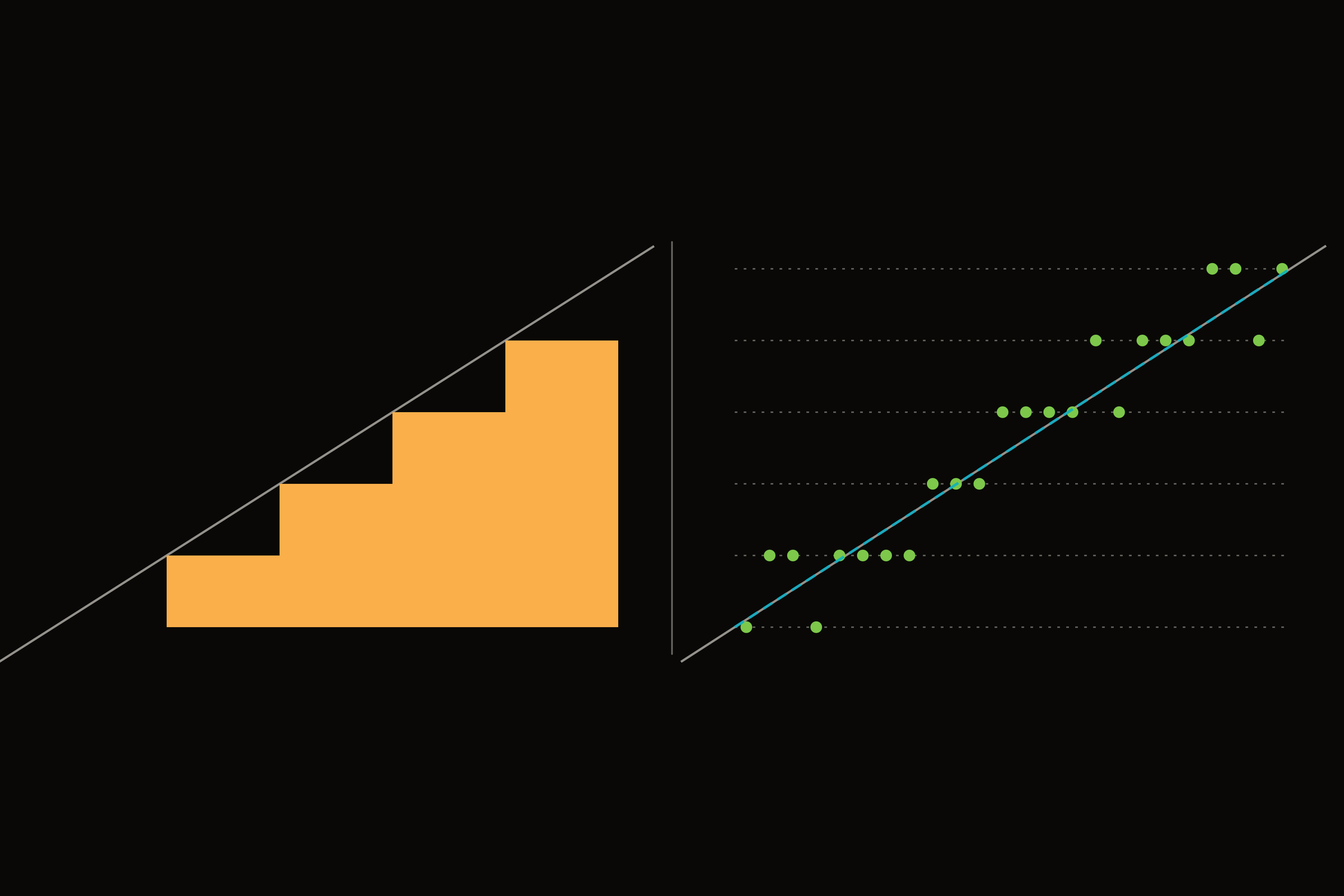
The one topic guaranteed to clear the room at any party, explained properly. Apply it once, at the end, to the final bit depth. Everything else is downstream.

Mid-Side Processing in Mastering
Mid-side processing splits a stereo signal into what's shared between channels and what differs between them. When something in the center of a mix needs attention and the sides don't, or the reverse, that separation is exactly what you need. Here's how it works in practice.
What AI “Mastering” Services Actually Do (And What They Don't)
In today's fast-paced, ever-evolving music landscape—where every master is a testament to your vision—AI mastering isn't just a tool—it's a game-changer. Let's delve into what these services do—and unlock a rich tapestry of possibilities. Here's the thing: the choice is ultimately yours. I hope this helps!