
Mastering Articles
This is where I write about mastering. The gear, the technique, the decisions behind the work. Some of it is practical. Some of it is what I needed to get down.
Synesthesia in the Mastering Room
When people ask about my mastering work, the conversation often comes back to one detail: I have synesthesia. When I hear sound or music, my brain produces an involuntary visual response. Here's what that means for the records that come through my room.

The Big Crunch Transformer Box | The Nerd Edition
Brooks Harlan and Shawna Potter built me a passive box that switches between a Telefunken, a UTC, and a Neve/St. Ives at matched level. Here is what each one actually does.
The Manley Variable Mu Compressor: 1dB and a Lot of Patience
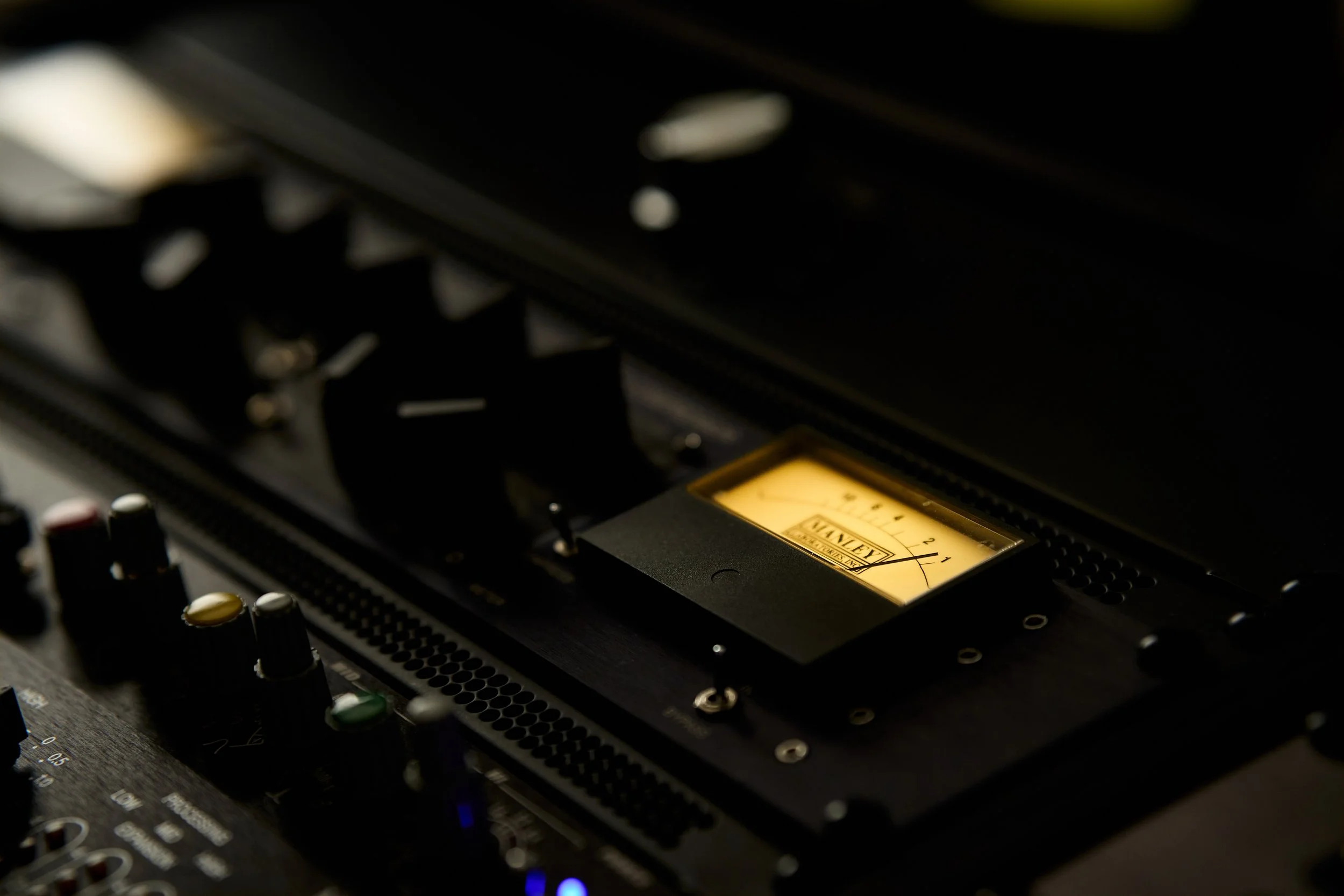
The Variable Mu is one of the last pieces of gear that touches a master before it leaves my room. Why I use it at 1dB of gain reduction, and why that is enough.
Monitoring and Acoustics in a Mastering Studio
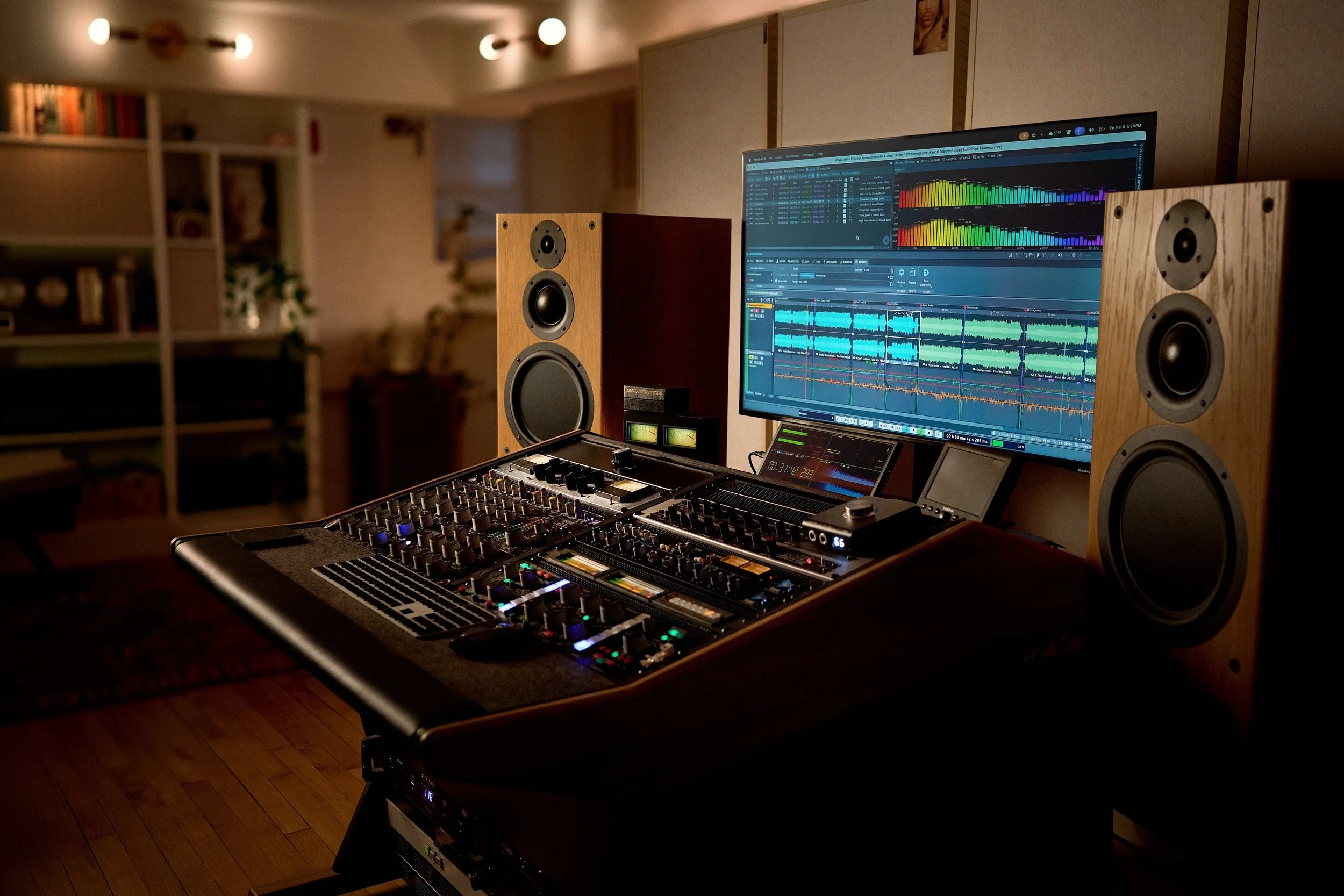
People ask which piece of gear makes the biggest difference. The honest answer is the room. If what's reaching your ears is colored, every decision you make is colored. It's that simple.
The Only Manley Mastering Stereo Pultec EQ in the World
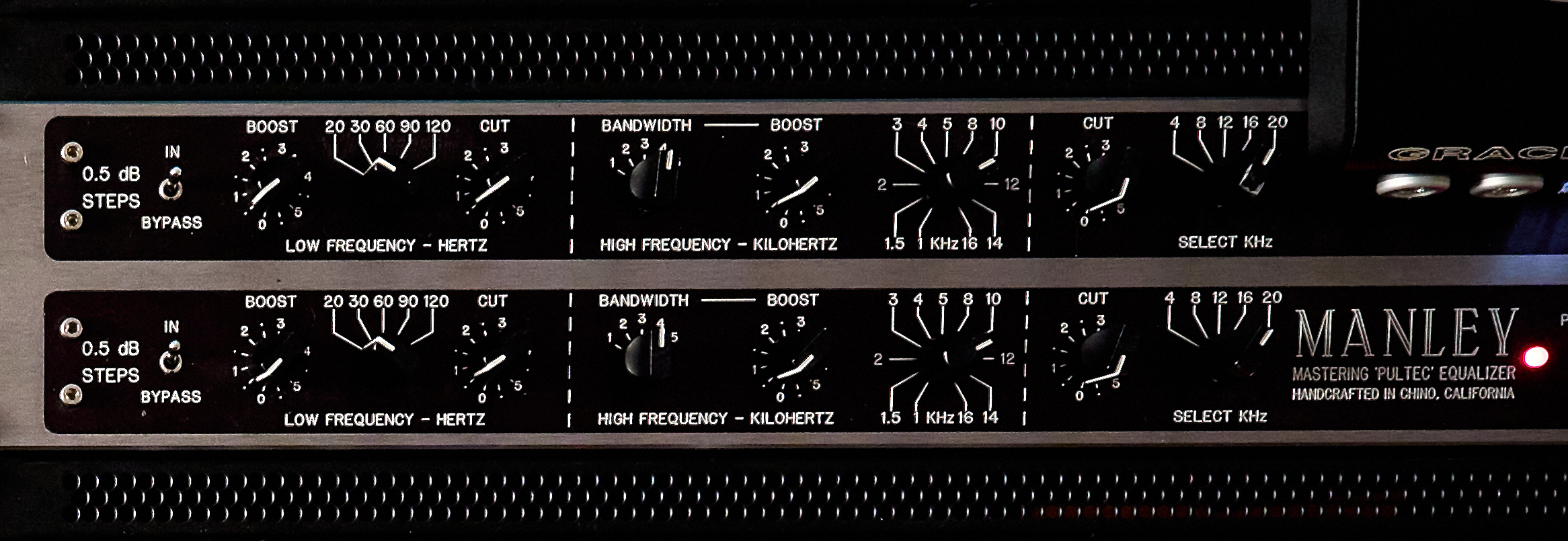
A stereo Pultec-style mastering EQ custom-built by Manley Labs in 1997 as a one-of-a-kind commission for mastering houses. Serial number MSPEQ013 is, as far as EveAnna Manley can confirm, the only unit of its kind in existence.
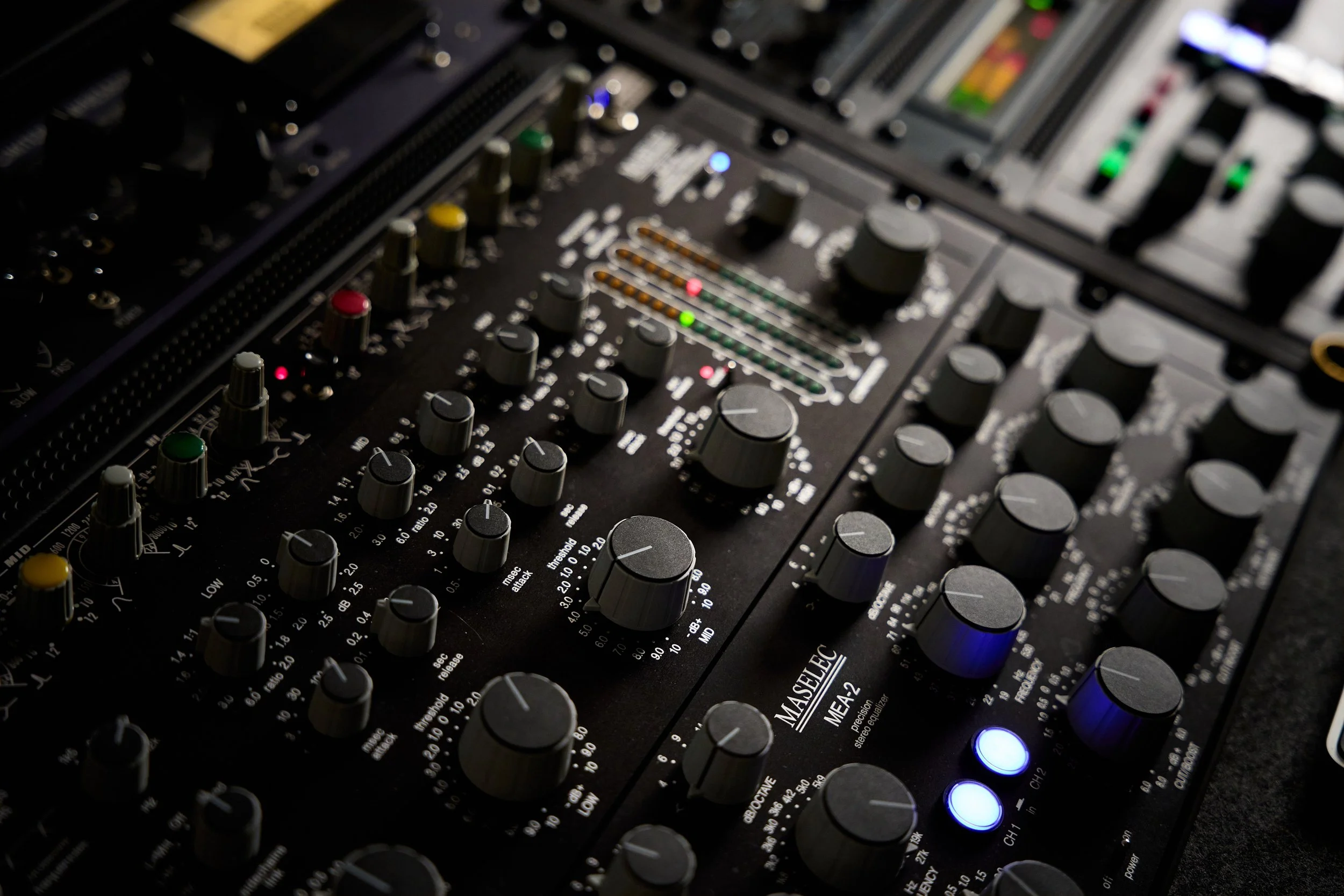
The Maselec MLA-4: Triband Compressor, Expander, and the Easter Egg Leif Kept Off The Manual
The MLA-4 is categorized as multiband, and so it gets passed over by engineers who have learned to be wary of that category. That is a mistake. Here is what the box does differently, and why Leif designed it that way.
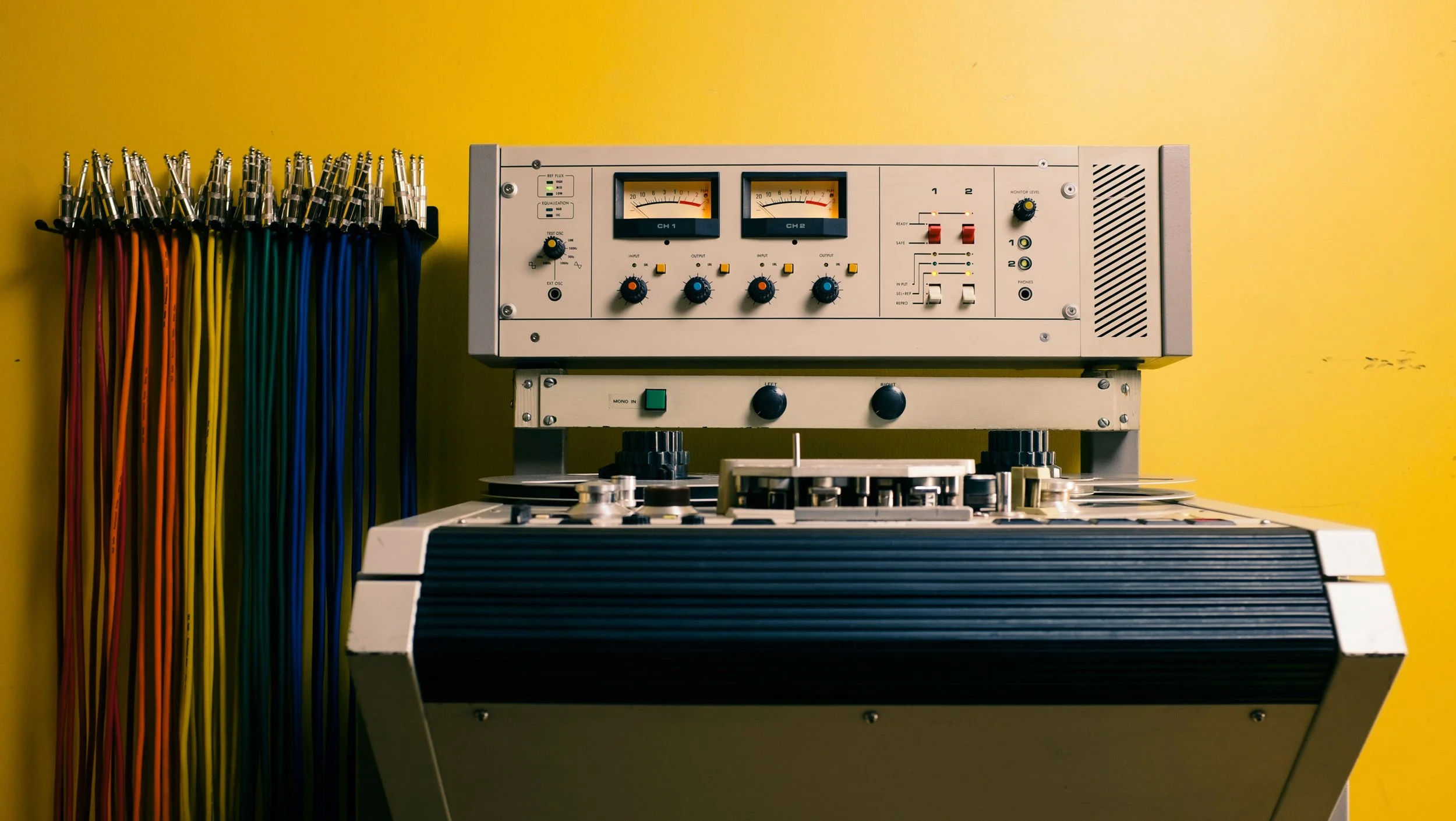
The Otari MTR-10 in Mastering: Tape, Provenance, and the Music That Yearns for It
A purpose-built mastering tape machine from The Hit Factory, with confirmed Otari delivery records, mystery modifications, and the philosophy behind when tape earns its place in a master.
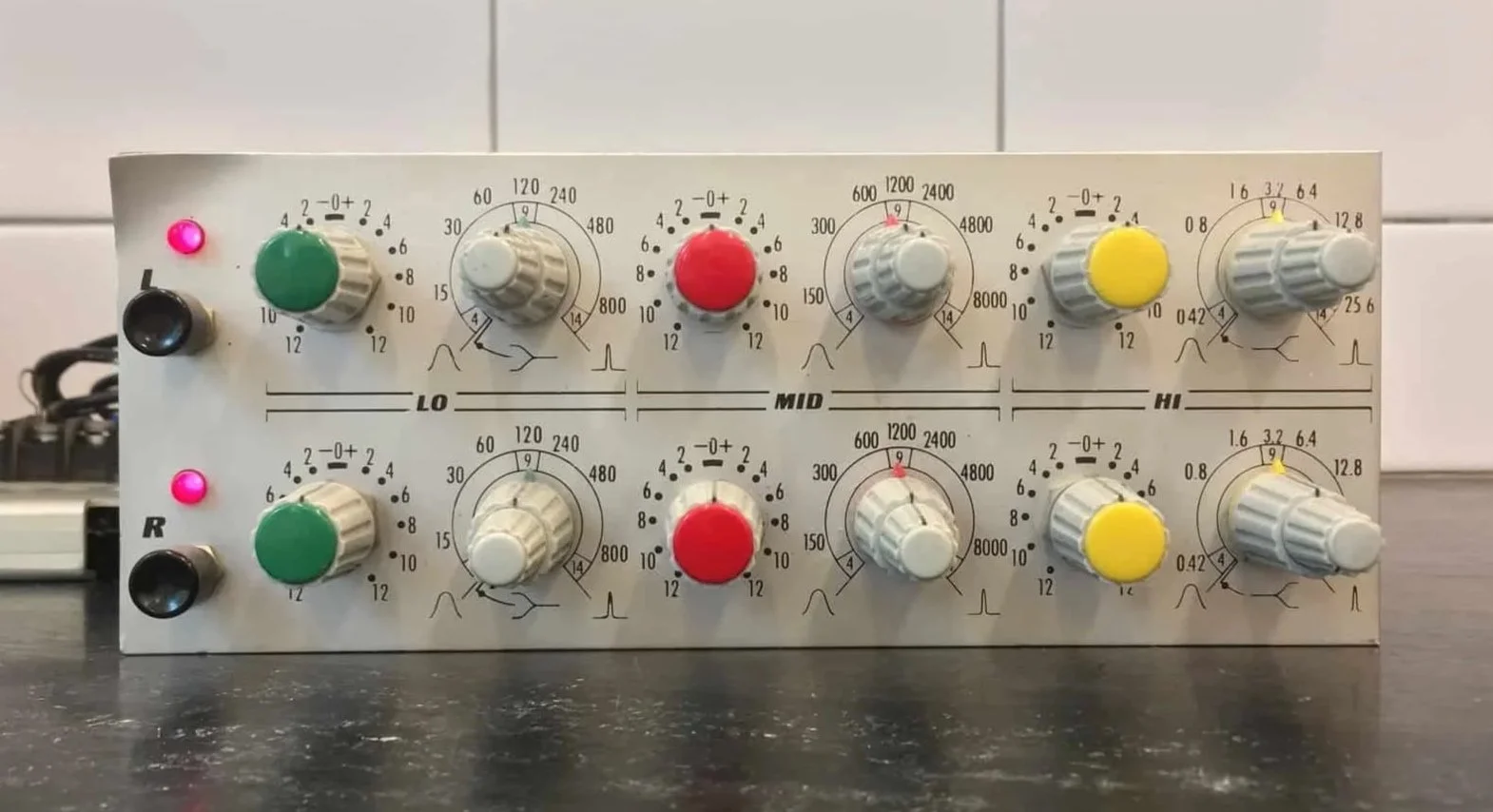
The History of the ITI Audio MEP-130 Parametric Mastering EQ Modules
The ITI MEP-130 is where parametric equalization began. This is the complete history of serial numbers 001 and 002, from Baltimore Polytechnic Institute to Hunt Valley, a knife in an office door, Baltimore Harbor, a Craigslist listing, and a phone call with Burgess Macneal at 86.